| Quantity: | |
|---|---|


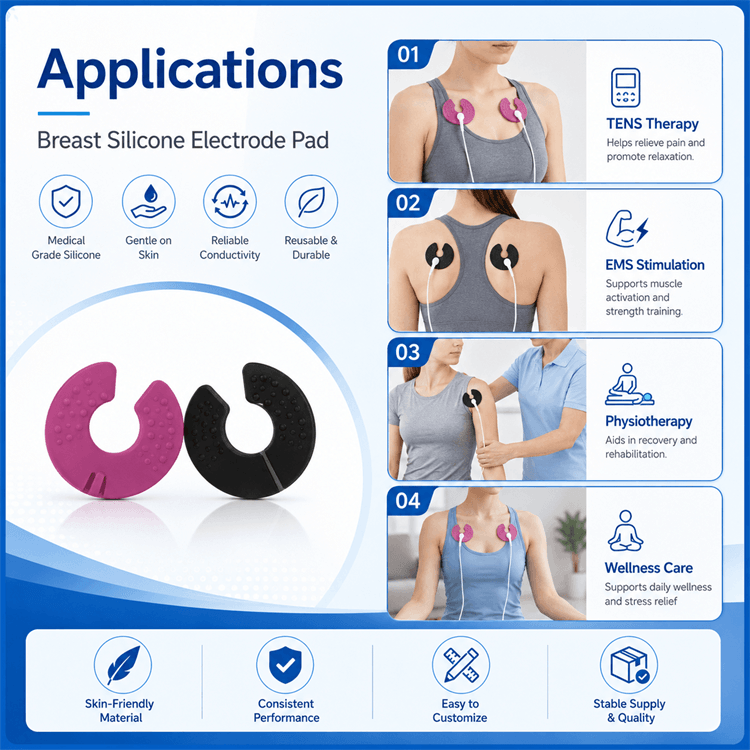
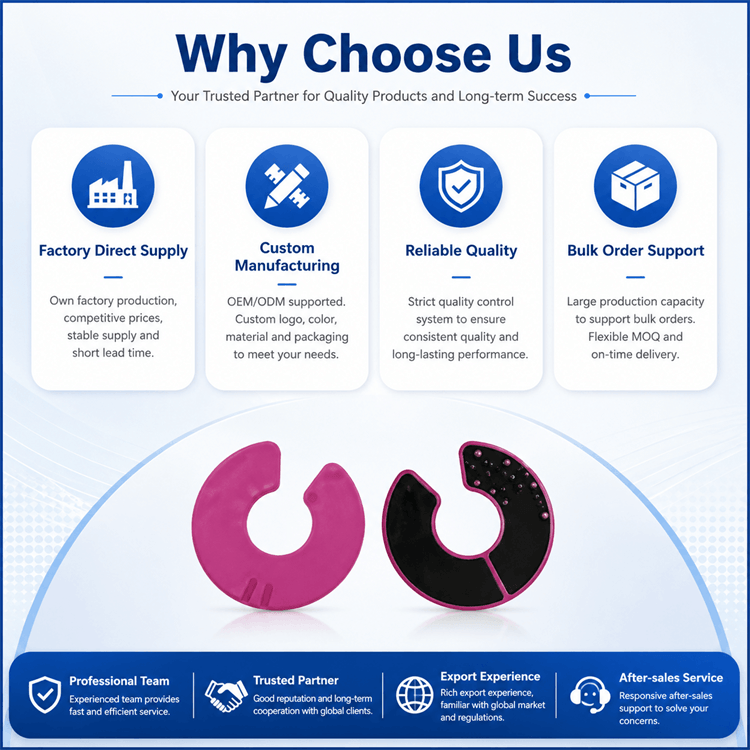
Designed specifically for targeted electrotherapy, this breast silicone electrode pad delivers consistent electrical impulses for TENS, EMS, and intermediate-frequency physiotherapy devices. By combining a flexible silicone and non-woven backing with a premium medical-grade hydrogel, the pad conforms naturally to the contours of the body. This ensures maximum surface contact, reducing the risk of hot spots and providing a soothing, comfortable experience for the patient. Whether utilized in professional rehabilitation centers, sports medicine clinics, or for home-based pain management, this conductive accessory ensures reliable signal transmission to support effective muscle stimulation and relief.
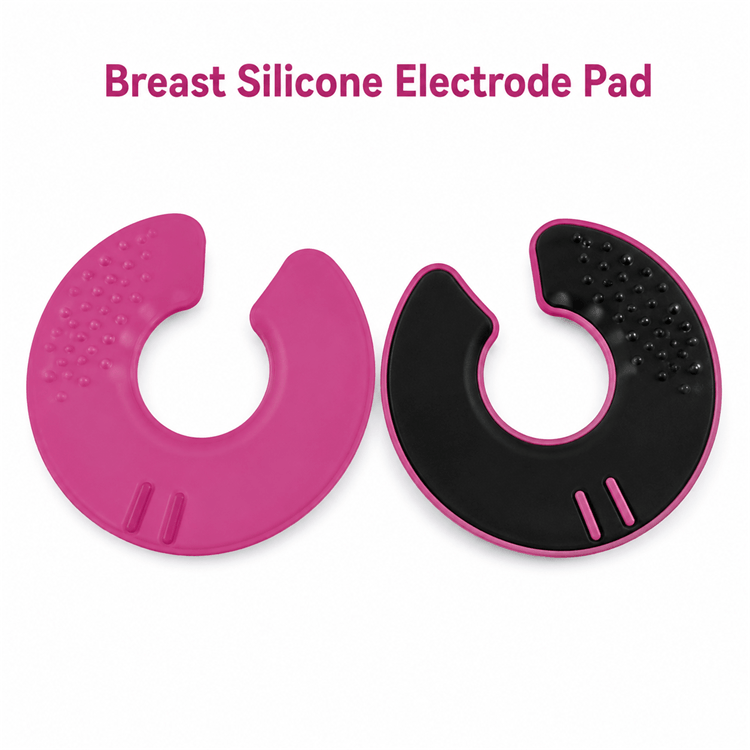
Stable Conductivity & Rigorous Testing: Made for demanding electrotherapy applications, the product supports stable electrical signal transmission across the entire surface area. We strictly follow international medical electrode standards, including comprehensive impedance and adhesion testing, ensuring uniform current distribution for TENS, EMS, physiotherapy, massage, and rehabilitation use without stinging sensations.
Comfortable Application & Biocompatibility: The flexible structure is designed to fit different body areas and improve user comfort during treatment sessions. Utilizing a low-allergy, skin-friendly medical hydrogel, it provides a cool, soothing touch upon application. The strong adhesion keeps the pad securely in place during movement, yet it peels away smoothly without leaving sticky residue or pulling the skin.
Reusable, Cost-Effective & Optimized Packaging: Compared with disposable alternatives, these reusable electrode products can significantly reduce replacement frequency and support long-term therapy use when properly maintained. Each set is housed in professional moisture-proof sealed packaging, such as aluminum foil bags, which effectively extends the hydrogel's shelf life and ensures safe transit for volume procurement.
Custom Manufacturing Available: Jinke supports comprehensive OEM/ODM customization, including size, shape, color, connector type, hardness, material, conductivity, and packaging. From proprietary private molds to exclusive brand packaging, we provide end-to-end manufacturing solutions to meet differentiated market demands and specific clinical requirements.
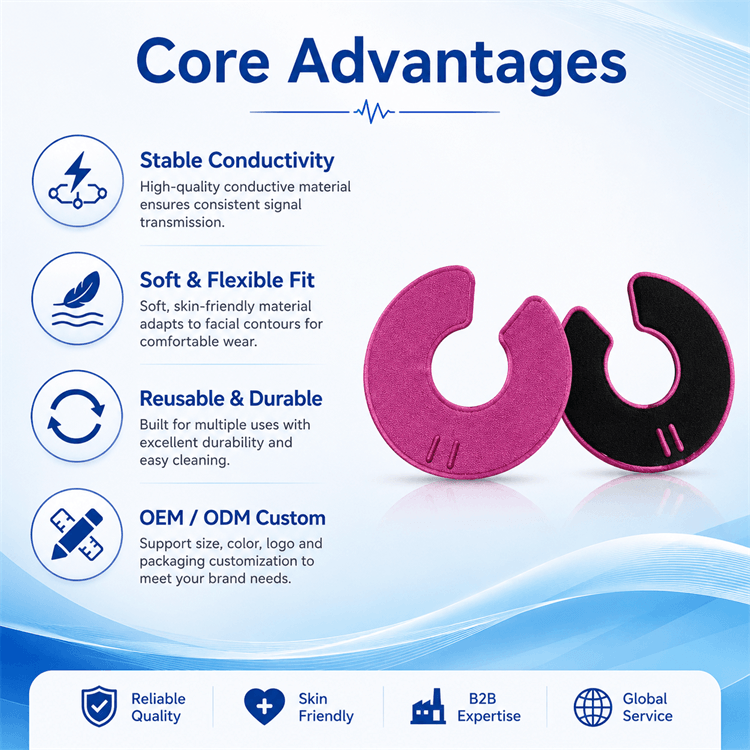
The following specifications detail the exact physical and operational characteristics of the electrode pad. These parameters are strictly maintained during production to ensure compatibility with global medical devices and to guarantee consistent therapeutic performance across multiple uses.
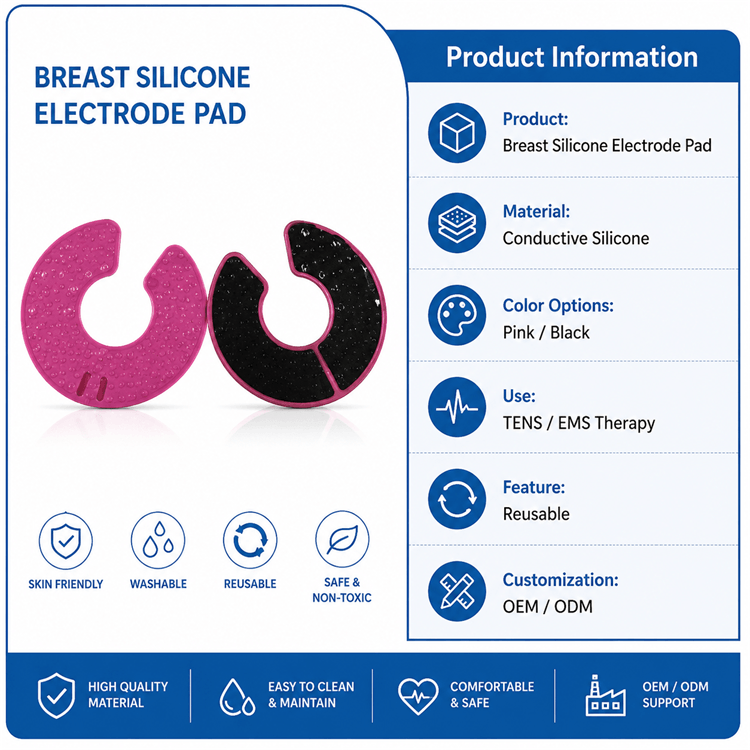
Product Type | TENS / EMS Electrode Pad |
|---|---|
Material | Non-woven fabric + Conductive gel |
Shape | Round / OEM available |
Size | Custom (commonly 50×50mm / 50×90mm) |
Connector | 2.0mm pin / snap button optional |
Reusability | 20–50 times |
Skin Type | Hypoallergenic / non-irritating |
Application | TENS, EMS, Physiotherapy, Pain relief |
OEM/ODM | Available |
Massage therapy and muscle stimulation: Works seamlessly with professional and consumer TENS/EMS devices to deliver deep tissue stimulation, aiding in muscle recovery and fatigue reduction.
Body-part specific electrotherapy applications: The adaptive shape is engineered to contour precisely to curved surfaces such as the chest, feet, hands, knees, waist, or face, enhancing targeted therapeutic efficacy.
Rehabilitation and wellness device accessories: Serves as a dependable consumable for medical clinics, sports rehabilitation centers, and home users requiring consistent daily pain management regimens.
Custom conductive accessories: Ideal for integration into new electrotherapy product development, providing equipment manufacturers with a reliable, certified interface between the machine and the patient.
Proper application and maintenance are essential for maximizing the lifespan and conductivity of the electrode pad. Begin by cleaning and drying the target skin area thoroughly to remove any oils or lotions, which can degrade the hydrogel. Next, connect the electrode pad or accessory to a compatible TENS/EMS device lead wire—you should feel a firm, secure click or connection. Place the product on the treatment area, ensuring full, flat contact with no trapped air bubbles, then turn on the device and adjust the intensity gradually to a comfortable level.
After the session concludes, turn off the device and disconnect the pad gently by peeling it from the edge, rather than pulling the wire. Clean the gel surface with a few drops of water if necessary to remove debris, and let it air dry. Finally, reapply the protective plastic film and store the pad in its original moisture-proof sealed bag, keeping it away from dust, extreme heat, and direct sunlight to preserve its adhesive properties.
Are these reusable electrode products really reusable, and how many times?
Yes, they are designed for repeated use, offering excellent value for clinical and home settings. Actual reusable times depend on material type, treatment intensity, cleaning method, and storage environment. With proper care, these reusable conductive silicone electrodes and electrode pads can maintain stable conductivity for 20 to 50 therapy sessions without losing their structural integrity.
Do the pads work with all TENS/EMS machines?
Most standard TENS and EMS devices globally are compatible when the connector type matches, such as the widely used 2.0mm pin, 2.5mm pin, or standard snap connector. For non-standard devices or proprietary equipment, we offer structural customization to ensure a suitable fit and reliable performance, eliminating compatibility concerns for equipment distributors.
How do I clean and store the pads to keep good performance?
After use, clean the gel surface gently with a few drops of water if needed, then air dry naturally. Avoid using soap, alcohol, strong chemicals, high heat, or direct sunlight, as these will break down the hydrogel matrix. Store the product in a clean sealed bag or its original protective aluminum foil film to reduce dust accumulation and preserve its adhesive performance.
Are the pads safe for sensitive skin?
The electrode products are designed for comfortable skin contact during physiotherapy and electrotherapy use, utilizing biocompatible materials supported by CE and ISO compliance testing. For sensitive skin, users should test a small area first and follow the device instructions. Custom material, hardness, and surface options are also available to meet specific dermatological requirements.
Can I get custom sizes, shapes, or conductivity levels?
Yes. Jinke provides full OEM/ODM customization capabilities. This includes round, square, oval, and special anatomical shapes, as well as modifications to size, thickness, color, hardness, electrical resistance, connector type, and retail packaging. Customers can provide technical drawings, physical samples, or application details, and our engineering team will develop a tailored solution.
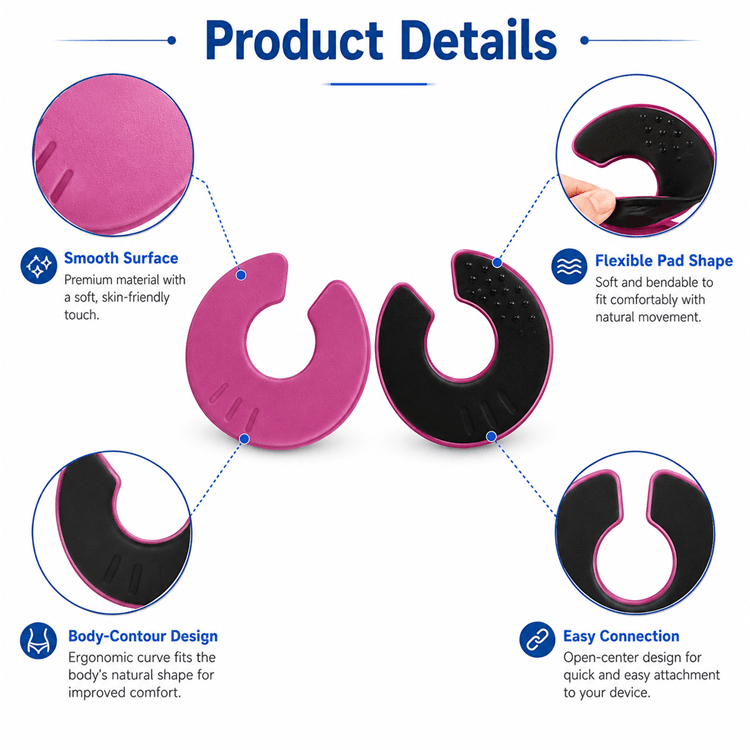
Examining the physical construction of the electrode pad reveals the precision engineering behind its performance. The top layer features a smooth, durable non-woven fabric or flexible silicone that resists tearing while allowing the pad to bend and flex with the body's natural movements. Beneath this protective backing lies a highly conductive carbon film layer, designed to channel electrical currents evenly across the entire footprint of the pad, preventing the localized stinging often associated with poorly constructed alternatives.
The patient-facing side is coated with a thick, odorless medical-grade hydrogel. This gel is formulated for optimal tackiness—firm enough to hold the pad securely on curved areas like the chest or shoulders, yet gentle enough to be removed without discomfort. The die-cut edges are clean and precise, preventing the gel from oozing or the layers from separating over time. Every unit is packaged in robust, moisture-resistant barrier bags, ensuring that commercial buyers receive products that maintain their factory-fresh adhesive qualities through extended storage and international transit.