| Quantity: | |
|---|---|


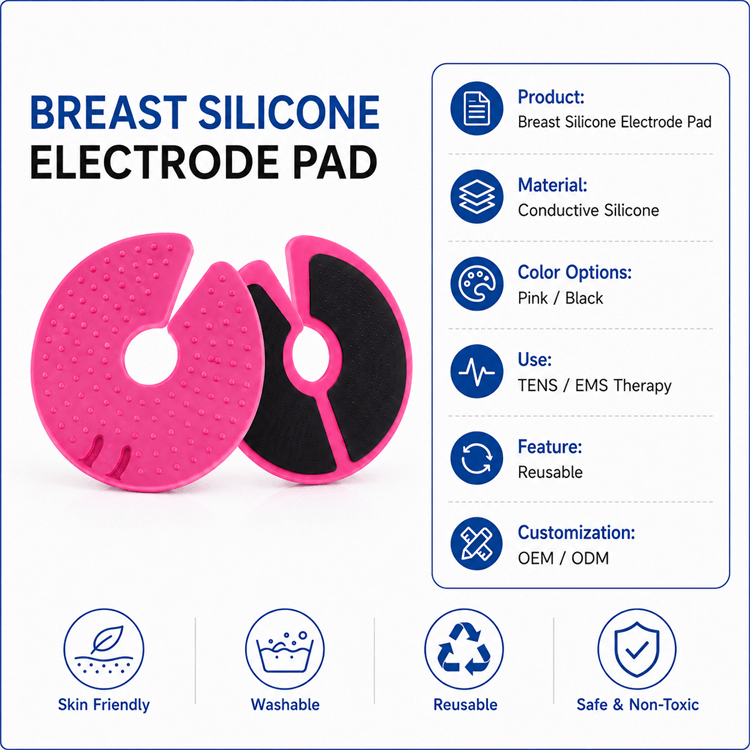
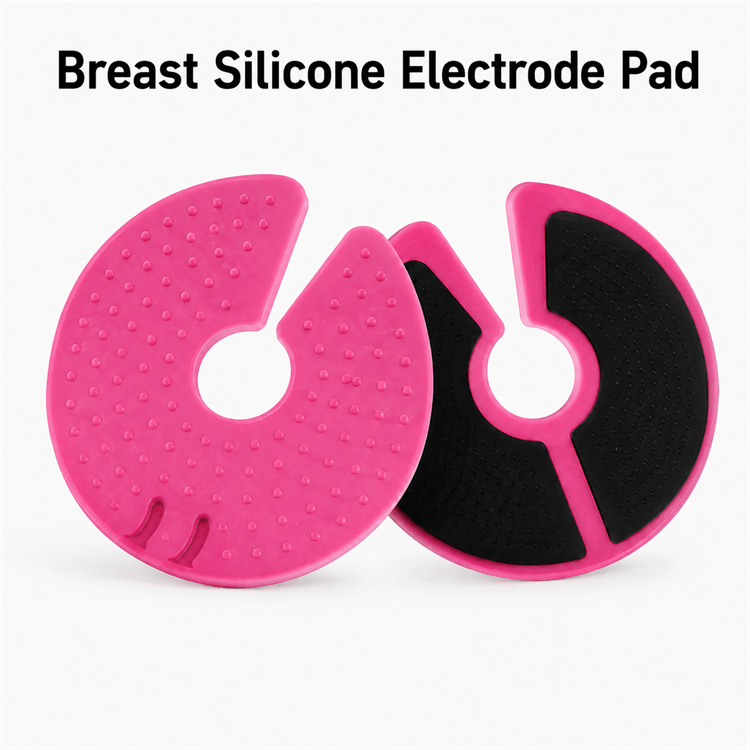
The Breast Silicone Electrode Pad is meticulously designed to deliver targeted, effective electrotherapy for sensitive body contours. Engineered for compatibility with standard TENS, EMS, and physiotherapy devices, this specialized pad ensures optimal electrical signal transmission while prioritizing user comfort. Upon application, the surface provides a soothing, cool touch, conforming naturally to the body's unique curves without creating rigid pressure points. The flexible structure moves harmoniously with the skin, eliminating the pulling or pinching sensations often associated with rigid alternatives. Whether utilized in professional clinical settings or for ongoing home rehabilitation, this electrode pad facilitates a consistent, uniform distribution of current, ensuring that every therapy session is both safe and highly effective. By focusing on ergonomic adaptability and dependable performance, it serves as a vital component in comprehensive pain management and muscle stimulation protocols.
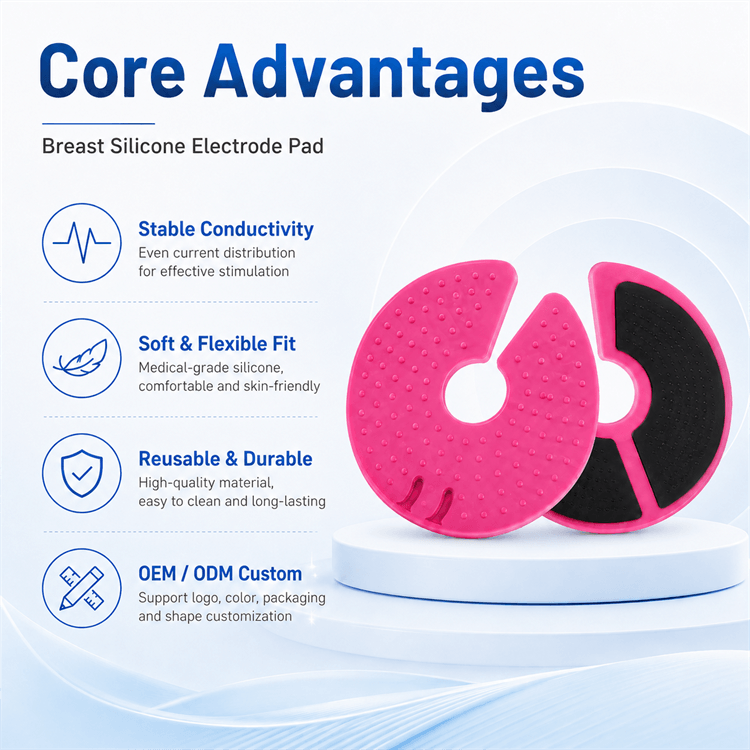
Stable Conductivity & Performance Reliability: Made for electrotherapy applications, the product supports stable electrical signal transmission for TENS, EMS, physiotherapy, massage, and rehabilitation use. Rigorous laboratory testing for uniform conductivity and impedance ensures that the electrical current is distributed evenly across the entire pad surface, preventing localized hot spots and delivering a smooth, sting-free therapeutic experience.
Comfortable Application & Material Safety: The flexible structure is designed to fit different body areas and improve user comfort during treatment sessions. Utilizing premium medical-grade materials and imported low-allergy hydrogel, the pad has passed strict cytotoxicity and skin irritation assessments, making it exceptionally safe and gentle for sensitive regions like the chest.
Reusable and Cost-Effective: Compared with disposable alternatives, reusable electrode products can reduce replacement frequency and support long-term therapy use when properly maintained. Featuring excellent peel strength and tear resistance, these pads maintain their structural integrity and optimal adhesion for 20 to 50 complete therapy cycles.
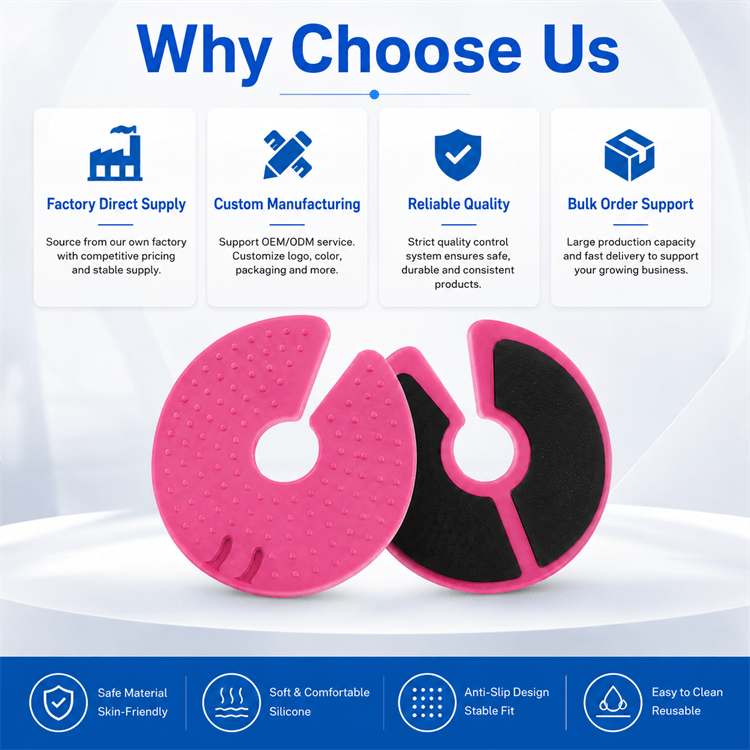
Custom Manufacturing Available: Jinke supports comprehensive OEM/ODM customization, including size, shape, color, connector type, hardness, material, conductivity, and packaging. Our end-to-end workflow covers everything from initial requirement gathering and 3D modeling to rapid prototyping and full-scale production.
Manufacturing Strength & Quality Control: Production is executed within a 100,000-class dust-free purification workshop. Automated manufacturing lines combined with multi-stage inspection processes guarantee absolute batch-to-batch consistency for large volume requirements.
Packaging & Private Labeling: We offer versatile packaging solutions ranging from economical industrial bulk formats to premium, individually sealed retail packaging, fully supporting white-label branding initiatives to help clients expand their market presence.
Global Regulatory Compliance: The manufacturing process and final products strictly adhere to CE, FDA, ISO13485, and RoHS international medical device and environmental standards, ensuring seamless market entry and compliance across global regions.
The following specifications detail the exact technical configurations and material properties of the electrode pad, ensuring compatibility and reliable performance across various electrotherapy devices.
Product Type | TENS / EMS Electrode Pad |
|---|---|
Material | Non-woven fabric + Conductive gel |
Shape | Round / OEM available |
Size | Custom (commonly 50×50mm / 50×90mm) |
Connector | 2.0mm pin / snap button optional |
Reusability | 20–50 times |
Skin Type | Hypoallergenic / non-irritating |
Application | TENS, EMS, Physiotherapy, Pain relief |
OEM/ODM | Available |
Designed for versatility, these conductive pads integrate seamlessly into diverse therapeutic and wellness regimens:
1. Massage therapy and muscle stimulation with TENS/EMS devices: Delivers precise electrical impulses to targeted muscle groups, aiding in relaxation, reducing muscle fatigue, and improving local blood circulation.
2. Body-part specific electrotherapy applications: The adaptable shape and strong adhesion make it ideal for challenging contours such as feet, hands, knees, waist, face, or the chest area, ensuring continuous contact without peeling at the edges.
3. Rehabilitation and wellness device accessories: Serves as a dependable consumable for both professional physiotherapy clinics and home-use wellness devices, providing patients with consistent care between clinical visits.
4. Custom conductive accessories for electrotherapy product development: Acts as a foundational component for brands developing new therapeutic hardware, offering reliable conductivity that enhances the overall efficacy of the paired electronic device.
Proper application and maintenance are crucial for maximizing the lifespan and efficacy of the electrode pads. Follow these detailed steps for optimal results:
Preparation: Clean and dry the target skin area thoroughly before use. Removing surface oils, lotions, and moisture ensures the hydrogel can form a secure, gap-free bond with the skin.
Connection: Connect the electrode pad or accessory to a compatible TENS/EMS device lead wire. Ensure you feel the secure click of the snap button or the firm seating of the 2.0mm pin to guarantee uninterrupted signal flow.
Application: Place the product on the treatment area with full contact. Roll the pad gently onto the skin to prevent air bubbles from forming underneath, then turn on the device and adjust the intensity gradually to a comfortable level.
Removal & Storage: After use, disconnect gently by lifting from the edge of the pad, never by pulling the wire. Clean the gel surface lightly with a drop of water if necessary to remove debris, air dry completely, and store away from dust, heat, and direct sunlight by reapplying the protective plastic film.
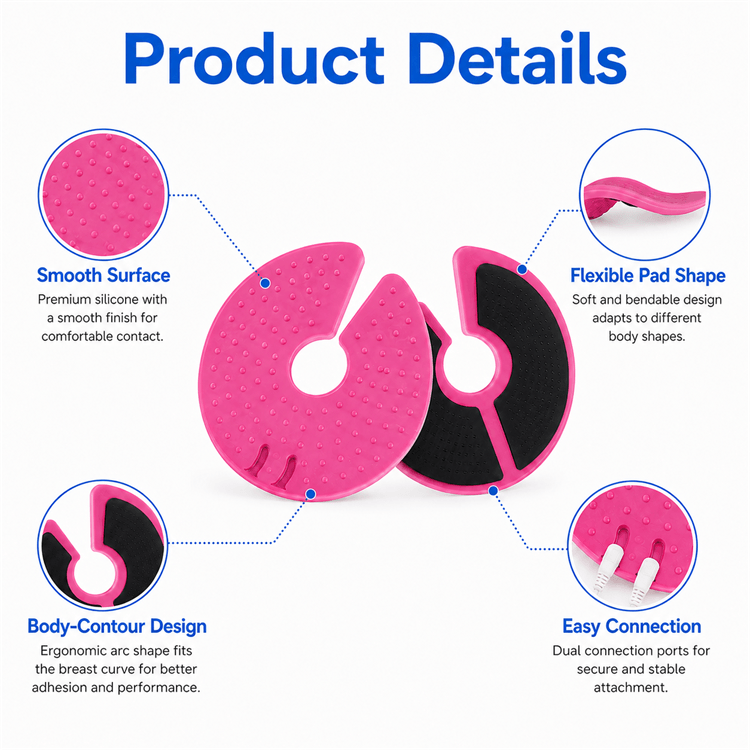
Yes, they are explicitly designed for repeated use. Actual reusable times depend on the material type, treatment intensity, cleaning method, and storage environment. With proper care, these reusable conductive silicone electrodes and electrode pads can maintain stable conductivity for 20 to 50 multiple therapy sessions, offering exceptional value over their lifespan.
Most standard TENS and EMS devices are compatible when the connector type matches, such as the widely used 2.0mm pin, 2.5mm pin, or standard snap connector. For non-standard or proprietary devices, we offer extensive customization services to ensure a suitable fit, secure connection, and reliable electrical performance across any hardware platform.
After use, clean the gel surface gently with a few drops of clean water if needed to remove dead skin cells, then air dry naturally. Strictly avoid soap, alcohol, strong chemicals, high heat, or direct sunlight, as these degrade the hydrogel. Store the product in a clean sealed bag or reapply the original protective film to reduce dust accumulation and preserve adhesive performance.
The electrode products are designed for comfortable skin contact during physiotherapy and electrotherapy use, utilizing hypoallergenic hydrogels. For highly sensitive skin, users should test a small area first and follow the device instructions. Custom material, hardness, and surface options are readily available for different dermatological requirements.
Yes. Jinke provides full OEM/ODM customization, including round, square, oval, and special anatomical shapes, as well as specific size, thickness, color, hardness, electrical resistance, connector type, and packaging requirements. Customers can provide technical drawings, physical samples, or simply application details, and our engineering team will develop the optimal solution.
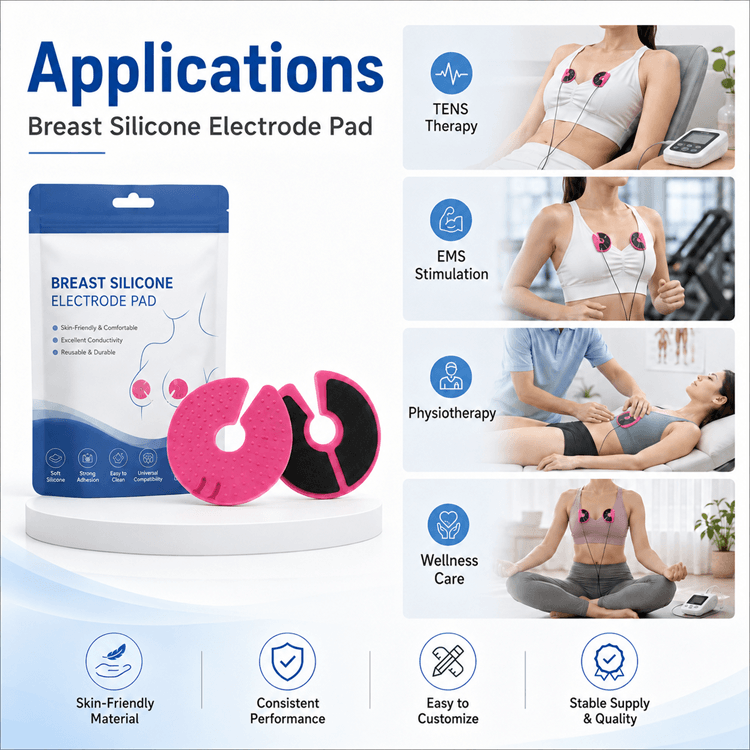
Examining the physical construction of the Breast Silicone Electrode Pad reveals a commitment to precision engineering and user-centric design. The edges of the non-woven fabric and conductive layers are cleanly cut to prevent fraying, ensuring the pad remains intact even after repeated applications and removals. The conductive gel layer is applied with exacting uniformity, which is critical for preventing the electrical current from pooling in one area—a common cause of discomfort in lesser alternatives. Furthermore, the junction where the connector meets the pad is reinforced with robust strain relief, protecting the internal conductive matrix from damage when the lead wire is attached or detached. These subtle yet vital structural details ensure that the product not only meets stringent medical device standards but also provides a consistently reliable and comfortable experience for the end user.