
Views: 0 Author: Site Editor Publish Time: 2026-10-23 Origin: Site


Carbon silicone electrodes combine a flexible silicone rubber matrix with electrically conductive carbon-based fillers. This type of material is used in TENS, EMS, physiotherapy, rehabilitation, and other electrotherapy products where manufacturers require both electrical conductivity and elastomeric flexibility.
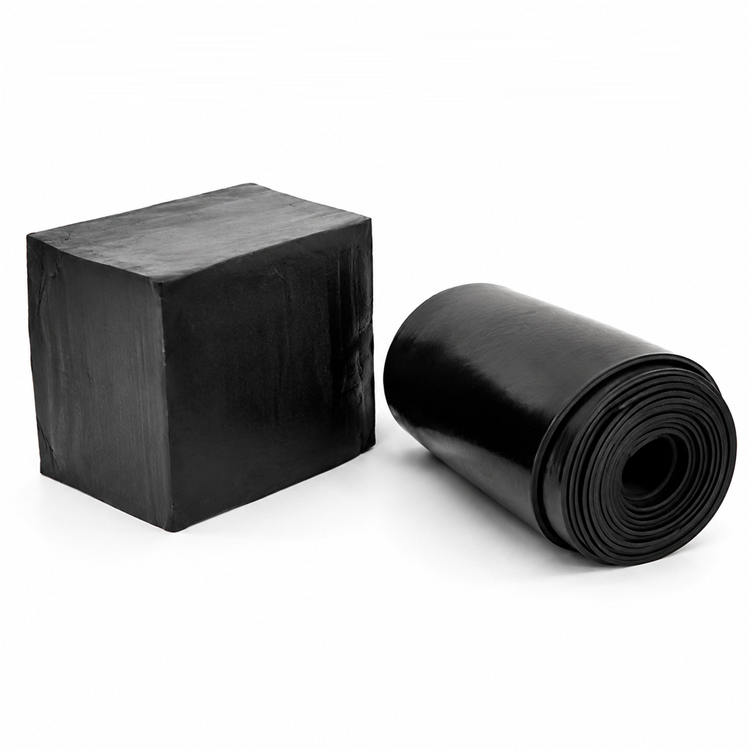
Conductive silicone rubber material for carbon silicone electrode applications
A carbon silicone electrode is made from silicone rubber containing conductive carbon fillers. The conductive particles create electrical pathways through the silicone while the rubber matrix provides flexibility and allows the material to be molded or formed into electrode components.
Carbon-filled conductive silicone can be used to manufacture electrode pads, conductive rubber sheets, molded components, and customized electrical interfaces for TENS and EMS equipment.
For buyers, however, “carbon silicone” alone is not a sufficient specification. Conductivity, resistance, hardness, dimensions, thickness, connector design, and application requirements should also be defined.
Conventional silicone rubber is normally electrically insulating. Conductive fillers must be introduced when electrical conductivity is required.
When suitable carbon-based conductive fillers are dispersed through the silicone matrix, they create paths that allow electrical current or signals to pass through the material.
The formulation and manufacturing process influence the final electrical and mechanical properties of the conductive silicone.
Electrotherapy components often need to conform to curved or moving surfaces. A flexible conductive material can therefore be useful where a rigid metallic component would not suit the product design.
Carbon silicone electrodes can function as part of the contact interface used with compatible TENS equipment. Electrode geometry and connection design should be matched to the specific device.
EMS devices can also use carbon-filled conductive silicone in electrode components for muscle stimulation, rehabilitation, fitness, massage, and other compatible applications.
Larger conductive silicone sheets and pads can be used in professional electrotherapy equipment where the device design requires a larger contact area.
Conductive silicone material can also be converted into customized shapes and molded components for proprietary medical, rehabilitation, wellness, and wearable devices.
Different formulations can provide different electrical characteristics. Buyers should provide target requirements instead of specifying only “carbon silicone.”
Consistent formulation and processing are important because electrical performance depends on the conductive network formed throughout the silicone material.
Thickness influences the component's mechanical structure and fit inside the finished equipment and should therefore be specified together with the other dimensions.
A wearable component may require a different mechanical feel from a conductive sheet installed inside professional electrotherapy equipment.
Carbon silicone electrodes can be manufactured as round, rectangular, oval, sheet, or customized structures depending on the application.
The method used to connect the conductive silicone to a lead wire or stimulation device should be considered during the initial design stage.
For material-level sourcing, buyers can review our conductive silicone rubber raw material for TENS and EMS electrotherapy.
Color alone does not determine electrical properties. A technical specification is necessary to verify whether a silicone material is conductive and whether its electrical performance fits the device.
The intended TENS, EMS, physiotherapy, or rehabilitation device should guide the selection of resistance, dimensions, thickness, hardness, and connector structure.
Conductive electrode components should also be evaluated for specification consistency, manufacturing feasibility, electrical requirements, dimensional requirements, and compatibility with the final device.
Raw material performance does not replace device-level evaluation. The final electrode configuration should be tested as part of the finished product development process.
Conductive fillers such as carbon-based materials can be incorporated into silicone to form an electrically conductive network through the material.
Many carbon-filled conductive silicone components are designed for repeated use, but usable life depends on product design, mechanical stress, cleaning, storage, and operating conditions.
Conductive silicone materials can be manufactured in different formats depending on the project, including sheets, rolls, molded components, and finished electrode pads.
Yes. Size, shape, thickness, hardness, resistance, connector design, and other characteristics can be evaluated according to the intended device.
They can be developed for both applications when the complete electrode specification is compatible with the target equipment.
Explore our complete conductive silicone electrode range for additional finished component configurations.
For a finished large-format example, see our 300 × 105 mm conductive silicone rubber electrode pad for TENS and EMS.
Need conductive silicone with a specific resistance, hardness, thickness, or shape? Send your application, drawing, target specifications, or existing sample through our contact page for custom project evaluation.


