
Views: 0 Author: Site Editor Publish Time: 2026-10-15 Origin: Site


Choosing a custom conductive silicone electrode should begin with the electrotherapy device rather than with an existing electrode catalog. Dimensions, electrical properties, connector design, installation method, material characteristics, and expected production quantity all influence whether a standard component can be used or a custom electrode should be developed.
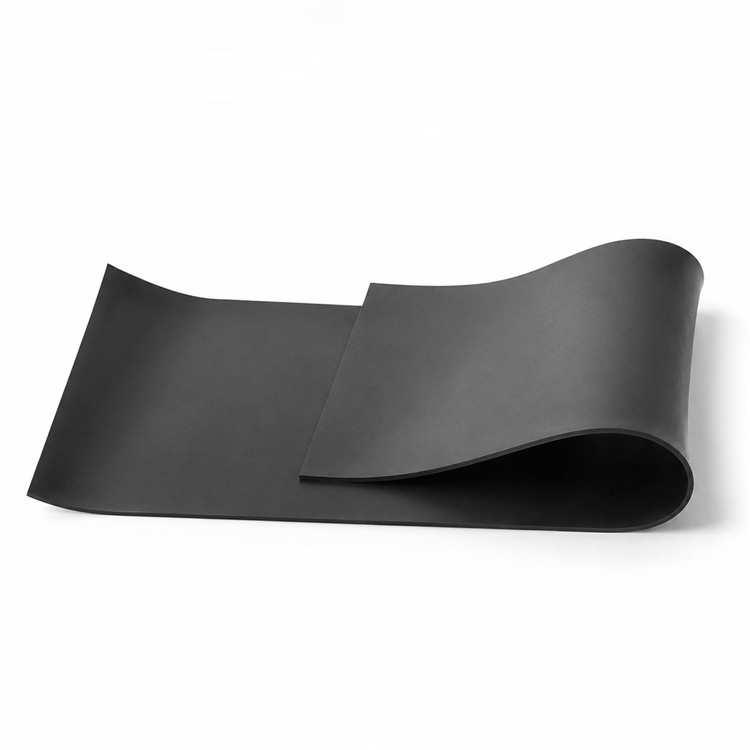
Flexible conductive silicone material for customized electrode applications
For a custom conductive silicone electrode project, buyers should ideally provide the intended application, dimensions, shape, thickness, connector type, electrical requirements, quantity, and a technical drawing or physical sample.
This information allows the manufacturer to evaluate material formulation, molding requirements, tooling, connection design, and production feasibility before sampling.
The more complete the initial specification, the easier it is to avoid unnecessary revisions later in the project.
Electrotherapy equipment may have limited installation space or require an electrode to follow a particular housing, wearable component, or contact area.
Round and rectangular pads work for many applications, but wearable equipment, hand electrodes, foot products, rehabilitation accessories, and proprietary devices may require irregular shapes.
Conductive silicone formulations can be developed around different resistance and conductivity requirements. The target specification should therefore be supplied whenever it is available.
Some projects need a specific pin, snap, lead wire, embedded connection, or custom electrical interface that is not available on a standard electrode.
Depending on project feasibility, customization can involve:
Overall length and width
Diameter and geometry
Thickness
Silicone hardness
Electrical resistance or conductivity
Material formulation
Connector structure
Lead wire configuration
Surface structure
Color
Packaging
Our custom conductive silicone services support OEM and ODM projects based on drawings, samples, specifications, and application requirements.
Define the TENS, EMS, physiotherapy, rehabilitation, or other electrotherapy device in which the electrode will be used.
Technical drawings should identify dimensions that affect assembly, contact area, positioning, connector alignment, and device fit.
A request for “conductive silicone” is not a complete electrical specification. When possible, buyers should provide their target resistance, conductivity, or related engineering requirement.
The connection interface should be considered early. If the project needs a particular mating connector, provide drawings, samples, or device information to help confirm compatibility.
Custom parts should normally be evaluated before mass production. Samples allow engineering teams to assess fit, dimensions, flexibility, connection, and compatibility with the target device.
Volume can influence tooling, manufacturing process, packaging, and project planning. Providing an estimated production quantity improves the accuracy of project evaluation.
A photograph is useful for appearance reference but cannot reliably communicate dimensions, tolerances, material properties, electrical requirements, or internal connection details.
If electrical performance is important to the device, it should be included in the technical discussion rather than evaluated only after production.
Late dimensional or structural changes may require additional tooling work. Important specifications should therefore be confirmed before moving into production tooling.
An electrode can meet its dimensional requirements but still require validation inside the actual electrotherapy system.
Provide application, dimensions, drawings or samples, thickness, connector details, electrical requirements, material expectations, and expected quantity whenever possible.
Often yes, but feasibility depends on how much the dimensions, connector, material, or structure must change.
Conductive silicone formulations can be adjusted for different project requirements. Specific targets should be discussed during engineering evaluation.
Yes. Conductive silicone electrodes can be developed around TENS, EMS, physiotherapy, rehabilitation, wearable, and other compatible electrotherapy equipment requirements.
Either can be useful. A detailed drawing is particularly helpful for defining dimensions and tolerances, while an existing physical sample can provide additional reference for construction and fit.
Browse our complete range of conductive silicone electrodes to see different shapes and application formats.
For conductive material projects, our conductive silicone rubber raw material for TENS and EMS electrotherapy provides another reference point for custom component development.
Have a drawing or existing sample? Send it through our contact page together with your application, electrical requirements, quantity, and connector information for technical evaluation.


