
Views: 0 Author: Site Editor Publish Time: 2026-10-01 Origin: Site


Reusable conductive silicone electrodes provide a flexible electrical interface for compatible TENS, EMS, physiotherapy, rehabilitation, and electrotherapy equipment. For manufacturers and equipment suppliers, however, reusability should be evaluated together with material properties, device compatibility, connector design, handling conditions, and expected use frequency.
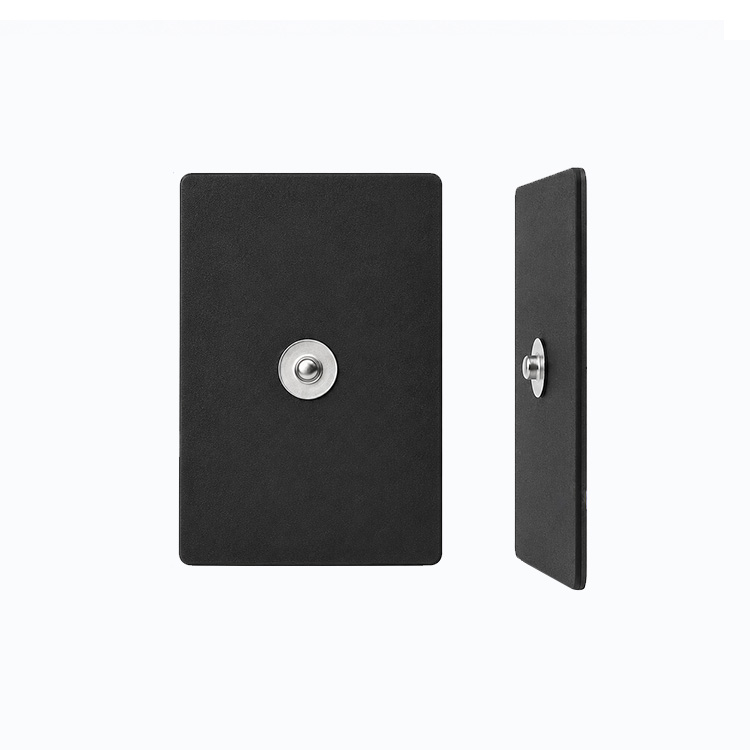
Reusable silicone electrode pad with snap connection
Reusable conductive silicone electrodes are designed for repeated electrical stimulation sessions when properly matched with compatible equipment and maintained according to the electrode and device requirements.
The flexible silicone structure can make these electrodes suitable for TENS, EMS, physiotherapy, and rehabilitation equipment that requires repeated handling and reliable electrical contact.
Reusable does not mean permanent. Mechanical wear, connector stress, contamination, unsuitable cleaning, and storage conditions can all affect long-term performance.
Conductive silicone combines an elastomeric silicone matrix with electrically conductive fillers. This allows an electrode to remain flexible while functioning as part of an electrical stimulation system.
Its molded rubber construction can also be suitable for applications where the electrode is repeatedly bent, connected, disconnected, handled, or repositioned.
In TENS equipment, electrodes form the contact interface used to transfer electrical stimulation from the equipment toward the intended treatment area.
The appropriate electrode depends on the TENS device output, connector system, dimensions, placement requirements, and overall device design.
Physiotherapy equipment may require different electrode sizes and shapes for different body areas and equipment configurations.
Reusable silicone designs can therefore range from compact electrode pads to much larger conductive silicone sheets used with professional electrotherapy equipment.
An electrode designed for occasional use may face different mechanical demands from one repeatedly handled in a professional physiotherapy or rehabilitation setting.
Contact area should correspond to the finished device. Selecting a larger or smaller electrode simply because it is available can create compatibility problems.
Repeated connection and disconnection places mechanical stress on the interface. Snap, pin, and integrated lead designs should be evaluated according to the finished product.
Reusable electrodes should have clearly defined handling and storage procedures. Buyers should avoid assuming that every cleaning chemical or procedure is suitable for every electrode construction.
For products intended to remain in the market for an extended period, replacement electrode availability should be considered as part of product development and procurement planning.
For different standard configurations, buyers can browse our silicone electrode pad range.
Actual usable life depends on construction, usage conditions, cleaning, storage, mechanical stress, and the requirements of the finished device.
A new sample may perform correctly during initial testing, but reusable components should also be evaluated after repeated handling and connection cycles.
Repeated pulling can place unnecessary stress on the electrical connection and surrounding material. Device instructions should define correct connection and disconnection procedures.
Dust, contamination, excessive heat, direct sunlight, or inappropriate storage may affect the electrode over time.
Yes, when their electrical properties, dimensions, connector, and mechanical design match the relevant TENS device.
Conductive silicone electrodes are also commonly developed for EMS applications. Compatibility should still be verified for the specific equipment.
There is no universal number for every electrode. Reuse depends on the electrode construction, intended application, operating conditions, cleaning method, and storage.
Yes. Custom dimensions, shapes, connectors, thicknesses, hardness, and electrical properties can be evaluated for OEM and ODM projects.
Depending on the project, evaluation may include dimensions, electrical characteristics, fit, connector compatibility, flexibility, repeated handling, and integration with the finished equipment.
For a specific reusable configuration, see our 50 × 70 mm reusable snap silicone electrode pad for TENS and EMS.
For larger contact-area requirements, you can also review the 300 × 105 mm conductive silicone electrode pad.
Developing a reusable electrode for your own equipment? Contact us with the device application, required dimensions, connector, drawing, or existing sample to discuss a suitable configuration.


