
Views: 0 Author: Site Editor Publish Time: 2026-10-08 Origin: Site


TENS and EMS equipment both use electrodes to transfer electrical stimulation, but their intended applications and device designs are not identical. For buyers, the important point is that an electrode should not be selected only because it is labeled “TENS” or “EMS.” Dimensions, electrical properties, contact area, connector type, and compatibility with the actual device remain essential.
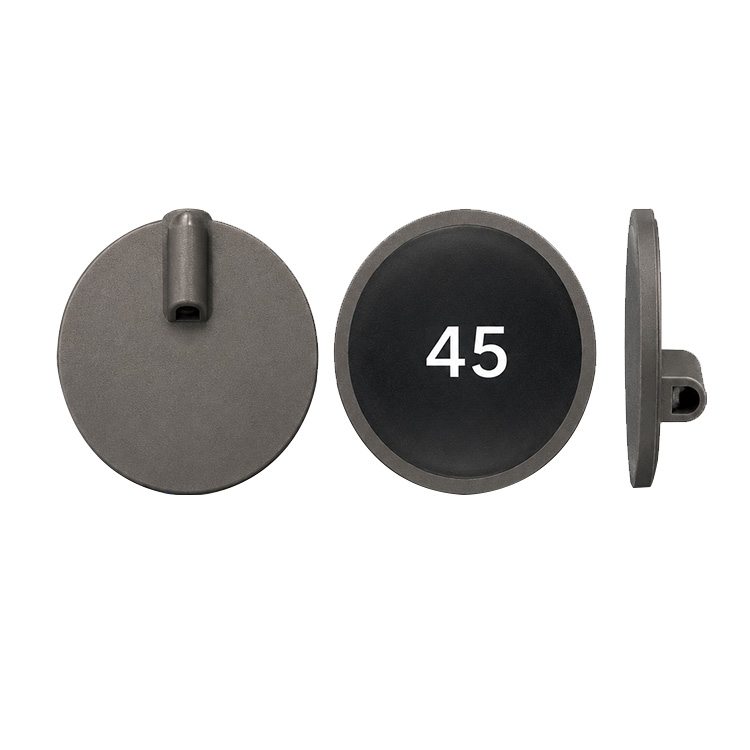
Conductive silicone electrode configuration for TENS and EMS equipment
TENS conductive silicone electrodes and EMS conductive silicone electrodes perform a similar basic function: they provide a conductive interface for transferring electrical stimulation from compatible equipment.
The main difference is usually determined by the finished device and its intended application rather than by a completely different type of silicone material.
TENS is generally associated with transcutaneous electrical nerve stimulation, while EMS is associated with electrical muscle stimulation. Some electrodes can support both applications when their specifications match the device.
A TENS electrode forms part of the electrical interface used by a transcutaneous electrical nerve stimulation system.
The required electrode size, connector, contact area, material characteristics, and electrical performance depend on the design of the TENS equipment.
EMS equipment uses electrical stimulation for muscle stimulation applications. Like TENS equipment, EMS devices require electrodes capable of transferring the device's electrical output through the intended contact interface.
EMS products may appear in rehabilitation, physiotherapy, sports recovery, fitness, wellness, or massage equipment, which means electrode designs can vary significantly.
Not necessarily.
Both applications can use conductive silicone, conductive rubber, fabric-based electrodes, adhesive electrodes, and other electrode technologies depending on the finished device.
A conductive silicone electrode can therefore be suitable for TENS, EMS, or a combined TENS/EMS device when its mechanical and electrical properties match the required equipment.
Identify whether the electrode will be installed in a TENS unit, EMS system, combined TENS/EMS product, physiotherapy machine, rehabilitation device, or another stimulation system.
Electrode size and geometry should correspond to the intended placement and equipment design. A compact round electrode and a large conductive sheet should not be considered interchangeable simply because both are conductive.
Check the device's electrical requirements rather than assuming every silicone electrode will provide the same resistance characteristics.
Common designs may use pin connectors, snap connections, or customized lead structures. Matching the connector is an essential part of equipment compatibility.
If repeated use is expected, mechanical durability, cleaning, storage, and repeated connection cycles should be considered during product evaluation.
Standard electrodes can simplify sourcing, but proprietary equipment may require custom dimensions, materials, connectors, or electrical characteristics.
Our TENS and EMS silicone electrode pads include multiple standard configurations for different electrotherapy applications.
The words “TENS” and “EMS” describe the application but do not provide a complete engineering specification.
Physical connection is important, but electrical characteristics, dimensions, and device design also need to match.
Electrode dimensions influence positioning and available contact area. Different therapy and stimulation products may therefore require different electrode geometries.
An EMS fitness accessory and a professional rehabilitation device may have very different physical and electrical requirements even though both are categorized as EMS equipment.
TENS generally refers to transcutaneous electrical nerve stimulation, while EMS refers to electrical muscle stimulation.
They can use similar conductive silicone materials, but the complete electrode must still match the device's electrical and mechanical requirements.
Yes, when the device has been designed around that electrode specification and the connector and electrical characteristics are compatible.
Reusable silicone electrode designs can be developed for TENS, EMS, or combined applications depending on the finished product requirements.
There is no universal best size. Select dimensions based on the device, intended placement, contact area, mechanical design, and electrical requirements.
For a compact standard option, review our 45 × 3 mm conductive silicone electrode pad for TENS and EMS.
For applications requiring a larger conductive contact area, see the 300 × 105 mm conductive silicone rubber electrode pad.
Not sure which configuration matches your equipment? Send us your device specifications, connector information, target dimensions, or existing sample through our contact page.


