
Views: 0 Author: Site Editor Publish Time: 2026-09-23 Origin: Site


Conductive silicone electrodes are flexible electrical interface components made from silicone rubber combined with conductive materials. They are widely used in TENS, EMS, physiotherapy, rehabilitation, massage, and other electrotherapy equipment where a flexible conductive surface is required.
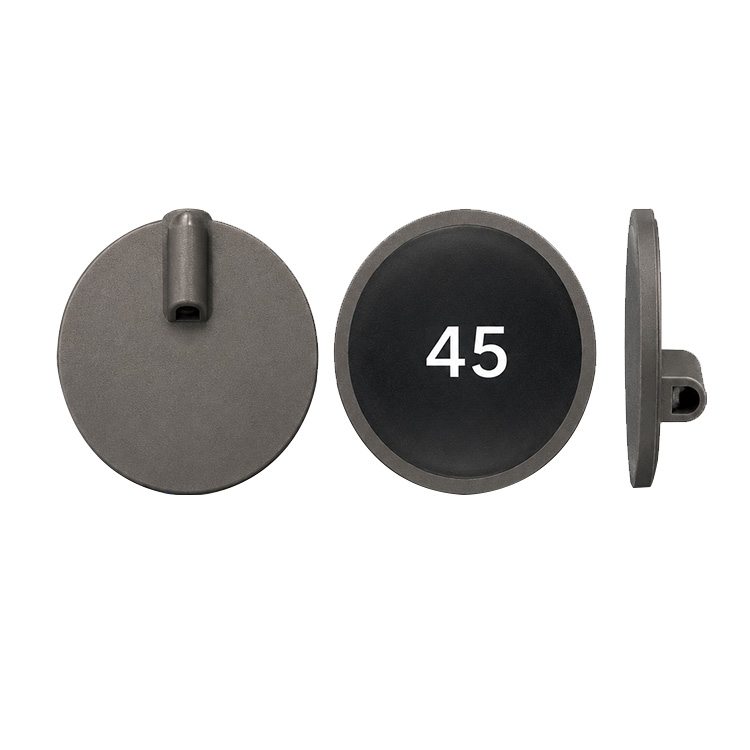
Conductive silicone electrode pad for TENS and EMS applications
A conductive silicone electrode combines the flexibility of silicone rubber with electrically conductive fillers. The resulting material can transfer electrical signals while remaining flexible enough for use in electrode pads and other electrotherapy components.
These electrodes can be manufactured in different sizes, shapes, thicknesses, resistance levels, and connector configurations depending on the intended TENS, EMS, physiotherapy, or rehabilitation device.
For equipment manufacturers, selecting an electrode should therefore involve more than matching its dimensions. Electrical performance, material construction, contact area, connector compatibility, and expected reuse conditions should all be considered.
Silicone rubber itself is generally an electrical insulator. To produce conductive silicone, conductive fillers such as carbon-based materials are incorporated into the silicone matrix.
When properly formulated and processed, these conductive particles create pathways that allow electrical signals to travel through the silicone component.
In an electrotherapy system, the electrode forms part of the electrical interface between the stimulation equipment and the intended contact area.
The electrode's size, surface area, resistance, flexibility, connection structure, and contact condition can all affect how well it integrates with the finished device.
Common applications include:
TENS electrical stimulation devices
EMS muscle stimulation equipment
Physiotherapy equipment
Rehabilitation devices
Massage and wellness equipment
Wearable electrical stimulation products
Customized electrotherapy systems
Different applications may require very different electrode structures. A compact round electrode, for example, does not serve exactly the same design purpose as a larger conductive silicone sheet.
Start by defining whether the electrode will be used for TENS, EMS, physiotherapy, rehabilitation, massage, or another electrical stimulation application.
Electrode dimensions determine the available contact area and influence how the component fits into the equipment. Standard round and rectangular designs are available for many applications, while custom equipment may require a unique geometry.
Not every conductive silicone formulation has identical electrical properties. Device manufacturers should provide target electrical requirements whenever available rather than selecting an electrode based only on appearance.
Conductive silicone electrodes may use pin connectors, snap connectors, integrated lead structures, or customized interfaces. The connector must match the electrical stimulation device and its lead system.
When an electrode is expected to be reused, buyers should also consider repeated bending, handling, connection cycles, cleaning methods, and storage conditions.
Our silicone electrode pads include different configurations developed for TENS, EMS, physiotherapy, and related electrotherapy applications.
Two electrode pads with similar dimensions may still differ in thickness, electrical characteristics, material formulation, and connector structure.
TENS and EMS devices can have different output characteristics and mechanical designs. Compatibility should be checked against the actual equipment specification.
A suitable conductive material will still be unusable if its pin, snap, cable, or lead connection does not fit the device.
A request that only says “conductive silicone electrode” is usually insufficient for accurate evaluation. Buyers should ideally provide dimensions, application, connector type, electrical requirements, quantity, drawings, or an existing sample.
Many conductive silicone electrode designs are intended for repeated use. Actual usable life depends on the material, electrode structure, handling method, cleaning procedure, storage environment, and application.
Yes. Dimensions, shape, thickness, hardness, conductivity, connector type, color, and other features can be developed according to project requirements and manufacturing feasibility.
Some electrode designs can work with both types of equipment when their electrical and mechanical specifications are compatible. Compatibility should be confirmed against the specific device.
A useful RFQ normally includes application, dimensions, shape, thickness, connector type, electrical requirements, quantity, and any available drawing or sample.
If you are evaluating electrode components for a new or existing electrotherapy device, explore our conductive silicone electrodes and related electrode products.
You can also review our 45 × 3 mm conductive silicone electrode pad for TENS and EMS as a reference for a standard electrode configuration.
Need a different size, shape, resistance, or connector? Send us your drawing, sample, or application requirements through our contact page for project evaluation.


