
Views: 0 Author: Site Editor Publish Time: 2026-10-15 Origin: Site


Medical professionals and supply chain managers frequently hit a wall when sourcing cardiac monitoring supplies. The persistent confusion between "ECG" and "EKG" terminology creates unnecessary friction across procurement departments and clinical floors. Selecting the wrong monitoring consumables does more than just waste budget. It directly degrades signal quality, triggers false telemetry alarms, and compromises patient skin integrity. Poor selection inflates supply waste and drives up replacement rates on the floor. This guide provides a definitive framework for understanding sensor terminology and technical specifications. We will categorize an ECG Electrode by its specific clinical application, moving past generic marketing claims. You will learn how to evaluate technical dimensions like sensor materials, conductive gels, and adhesives. By aligning product features with actual clinical environments, you can make evidence-based purchasing decisions that improve patient care while streamlining hospital inventory systems.
Terminology: "ECG" (Electrocardiogram) and "EKG" (Elektrokardiogramm) refer to the exact same diagnostic tool; there is zero physical or functional difference between ECG vs EKG electrodes.
Application Matching: Electrode selection must be dictated by the clinical environment (e.g., short-term resting, high-diaphoresis stress testing, or multi-day Holter monitoring).
Performance Variables: Signal fidelity relies heavily on the interaction between the conductive gel (wet vs. solid), the sensor material (typically Ag/AgCl), and proper skin preparation.
Procurement Strategy: Standardizing inventory across departments requires balancing unit cost against clinical failure rates, while utilizing advanced catalog filtering to eliminate procurement pain points.
Table of Contents
ECG and EKG electrodes refer to the same type of cardiac sensing electrode. ECG stands for electrocardiogram, while EKG comes from the German term Elektrokardiogramm. Both describe the recording of the heart's electrical activity.
There is no inherent technical difference between ECG and EKG electrodes. When selecting products, buyers should focus on conductive materials, connector compatibility, adhesive performance, and applicable medical requirements rather than terminology.
For more information about conductive electrode technology, explore our Conductive Silicone Electrodes for compatible medical-device and electrotherapy applications.
Medical ECG electrodes typically consist of four main components: a sensing element, conductive medium, backing material, and connector. Each contributes to signal acquisition, skin contact, and device compatibility.

Silver/Silver Chloride (Ag/AgCl) is widely used in disposable ECG electrodes because of its stable electrochemical properties and relatively low polarization. The sensing element converts ionic signals at the skin interface into electrical signals that can be measured by ECG monitoring equipment.
Conductive gels and hydrogels help establish electrical contact between the skin and the sensing element. Wet gels are commonly used for rapid signal acquisition, while solid hydrogels may offer handling and adhesion advantages for selected monitoring applications.
Gel Type | Main Characteristics | Typical Applications |
|---|---|---|
Wet Gel | Provides immediate conductive contact | Resting ECG, stress testing |
Solid Hydrogel | Flexible, cohesive conductive interface | Routine and extended monitoring |
Actual recording performance and suitable wear duration depend on the complete electrode design.
ECG electrode backing materials commonly include foam, non-woven fabric, and flexible films. Foam can provide cushioning and moisture resistance, while non-woven materials offer flexibility and potential breathability. Material selection should balance adhesion, skin comfort, and monitoring duration.
ECG electrode connectors include snap, tab, and pre-wired configurations. Snap connectors are commonly used in patient monitoring, while tab electrodes are frequently used for resting ECG examinations. Buyers should verify compatibility with their ECG monitors and lead wires before purchasing.
For related skin-contact material technologies, explore our Non-woven Electrode Pads. These are separate product applications and should not be treated as diagnostic ECG electrodes without appropriate validation.
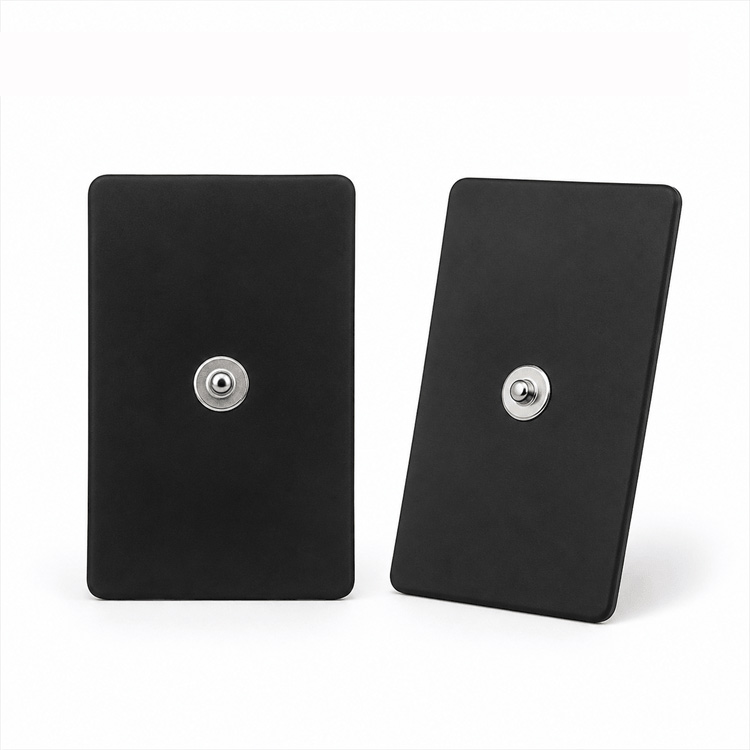
Disposable ECG electrodes should be selected according to monitoring duration, patient activity, skin sensitivity, and device compatibility. Different clinical applications require suitable conductive materials, adhesives, and backing structures to maintain reliable cardiac signal recording.
Resting ECG electrodes are designed for short examinations requiring quick application and stable electrical contact. Tab-style or snap electrodes with suitable conductive gel are commonly used. Easy removal and consistent signal quality are important for routine diagnostic procedures.
ECG electrodes for stress testing must maintain adhesion during patient movement and perspiration. Foam-backed electrodes with appropriate conductive gel and adhesive properties may help reduce movement-related artifacts. Proper skin preparation and secure electrode placement are essential for reliable recording.
Long-term ECG monitoring electrodes require stable electrical contact and suitable adhesion throughout the intended monitoring period. Breathable backing materials, skin-compatible adhesives, and gel stability are important considerations for Holter monitoring, telemetry, and intensive care applications.
Pediatric ECG electrodes should accommodate smaller body sizes and sensitive skin. Suitable products may use smaller adhesive areas, gentle skin-contact materials, and pre-wired connections. Electrode selection should follow the intended age group and clinical monitoring requirements.
Clinical Application | Key Requirements | Common Design Considerations |
|---|---|---|
Resting ECG | Quick application, stable signals | Tab or snap connection |
Stress Testing | Motion resistance, strong adhesion | Foam backing, suitable gel |
Holter Monitoring | Extended contact, signal stability | Flexible backing, stable adhesive |
ICU / Telemetry | Continuous monitoring | Reliable adhesion and skin compatibility |
Pediatric Monitoring | Small size, gentle skin contact | Pediatric-specific designs |
ECG electrode performance depends on electrical characteristics, skin compatibility, adhesion, and connector design. Medical device buyers should evaluate technical documentation and application-specific testing rather than relying on general product claims.
Ag/AgCl ECG electrodes are widely used for cardiac monitoring because they provide a stable electrochemical sensing interface. Conductive gels help maintain electrical contact and reduce excessive electrode-skin impedance, supporting accurate signal acquisition.
ECG electrode materials should be evaluated for their intended skin-contact duration and clinical application. Adhesives, gels, and backing materials may require appropriate biocompatibility testing to reduce the risk of skin irritation and other adverse reactions.
Reliable adhesion helps reduce electrode detachment and movement artifacts. However, strong adhesives may increase the risk of skin injury during removal, particularly for patients with fragile skin. Buyers should balance adhesion strength, monitoring duration, and removal characteristics.
Some ECG electrodes are designed to reduce interference with medical imaging. However, radiolucent does not automatically mean MRI-compatible. Any electrode used during MRI must have appropriate MR safety labeling and be compatible with the intended imaging procedure.
Technical Feature | Main Consideration |
|---|---|
Ag/AgCl Sensing Element | Electrical signal stability |
Conductive Gel | Electrode-skin contact |
Backing Material | Flexibility and skin comfort |
Adhesive Layer | Secure attachment and safe removal |
Connector Design | Compatibility with ECG equipment |
Imaging Compatibility | Application-specific radiolucency and MR safety |
Disposable ECG electrode procurement should consider product performance, device compatibility, shelf life, and supplier reliability. Standardized purchasing criteria help healthcare facilities reduce unnecessary replacements and manage inventory more efficiently.
The lowest-priced ECG electrodes do not always provide the best overall value. Poor adhesion, unstable electrical contact, or premature gel deterioration may increase replacement frequency. Buyers should evaluate product quality and total usage costs rather than purchase price alone.
Hospitals may use different electrode designs for resting ECG, Holter monitoring, and intensive care. Standardizing compatible products across departments can simplify inventory management, reduce purchasing complexity, and improve staff familiarity.
When comparing ECG electrode suppliers, buyers should review conductive materials, backing type, adhesive properties, connectors, and relevant test documentation. Requesting product samples can help verify performance and compatibility before bulk purchasing.
For electrode material development, Jinke Rubber also provides Conductive Silicone Rubber Materials for compatible electrotherapy applications. These materials should not be assumed suitable for disposable diagnostic ECG electrodes without further validation.
Disposable ECG electrode shelf life depends on conductive gel stability, adhesive formulation, packaging, and storage conditions. Healthcare facilities should follow manufacturer instructions, monitor expiration dates, and protect unopened products from unsuitable temperatures and moisture conditions.
Selecting unsuitable medical ECG electrodes may lead to recording errors, skin discomfort, or unnecessary product waste. Proper product evaluation and standardized handling procedures help reduce these risks.
ECG electrodes use different connector designs, including snap and tab connections. Before purchasing, buyers should confirm compatibility with existing ECG monitors and lead wires.
Poor skin contact, movement, or unsuitable adhesive performance can contribute to electrode detachment and lead-off alarms. Correct skin preparation and appropriate electrode selection help improve recording stability.
Damaged or improperly stored packaging may affect conductive gel performance. Users should follow the manufacturer's instructions for opened packages and avoid using electrodes that show signs of drying or deterioration.
Healthcare buyers should evaluate supplier lead times, manufacturing consistency, technical documentation, and availability of approved alternatives. Maintaining qualified suppliers can help reduce procurement interruptions.
Potential Risk | Recommended Action |
|---|---|
Connector Incompatibility | Verify monitor and lead-wire specifications |
Poor Signal Quality | Check electrode placement and skin contact |
Skin Irritation | Select suitable skin-contact materials |
Gel Deterioration | Follow storage and expiration requirements |
Supply Delays | Maintain qualified supplier alternatives |
The terminology debate requires no further confusion. ECG and EKG sensors are identical in function and form. The true differentiator lies entirely in the backing materials, conductive gels, and adhesive configurations. Selecting the right product ensures accurate telemetry data while protecting patient skin from unnecessary trauma. Base your procurement decisions on the specific clinical environment. Consider the expected duration of wear, patient movement levels, skin fragility, and imaging needs. Avoid generic brand preferences in favor of technical specifications. Implement the following next steps to optimize your inventory and clinical workflows.
Audit current clinical failure rates across telemetry and ICU wards to identify specific adhesion or signal issues.
Standardize skin preparation protocols across all departments to reduce false alarms and improve signal clarity.
Conduct frontline staff evaluations using sample batches before committing to new long-term vendor contracts.
Consolidate overlapping inventory SKUs to streamline ordering, reduce storage waste, and simplify staff training.
A: Yes. Both terms refer to an electrocardiogram. "ECG" is the English acronym, while "EKG" comes from the original German word, Elektrokardiogramm. The equipment, procedures, and diagnostic results are completely identical.
A: No. While the sensor technology is universal, the physical connectors vary. You must match the sensor's connector type (snap, tab, or clip) to the specific lead wires attached to your patient monitor.
A: Standard sensors generally remain safe and effective for 48 to 72 hours. However, this depends on the gel type and backing material. Always follow the manufacturer's specific guidelines to prevent skin irritation and signal degradation.
A: Diaphoretic patients require sensors with dense foam backings and highly aggressive adhesives. Wet gel is also preferred in these situations, as it maintains continuous electrical conductivity even when exposed to heavy perspiration.
A: Standard metal snap connectors are not safe for MRI use. They cause imaging artifacts and pose severe burn risks. You must use specialized radiolucent sensors featuring carbon or non-metallic studs for MRI procedures.
A: Yes, they typically expire within one to two years. Using expired sensors usually results in poor signal quality. The conductive gel dries out over time, increasing skin impedance and causing frequent lead-off alarms.


